Crypto Scams: Awareness and Prevention (Educational Overview)
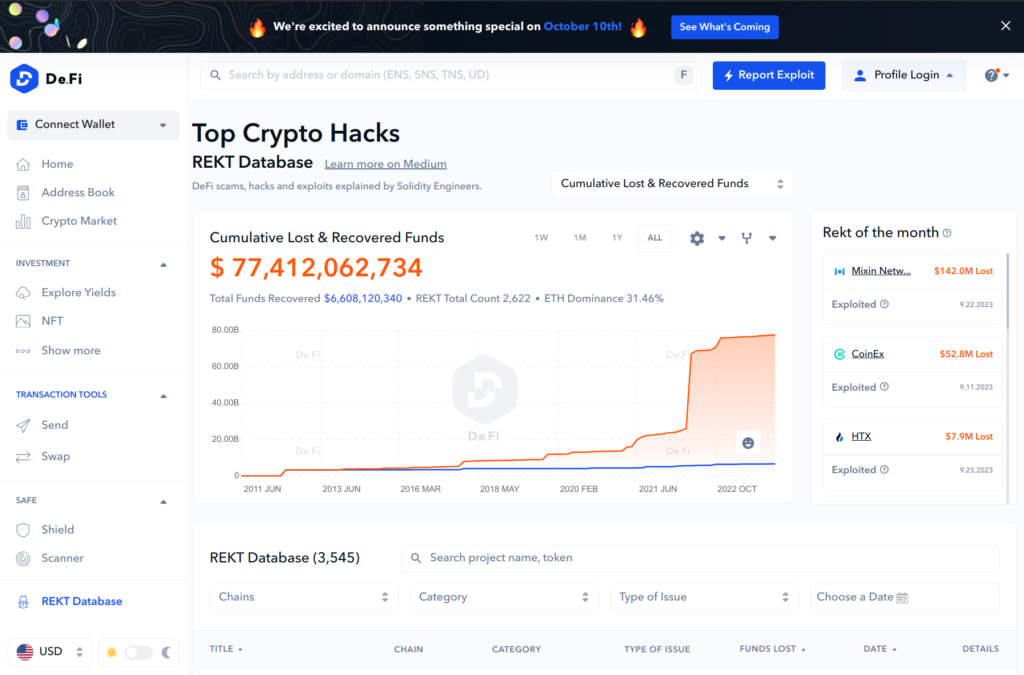
Cryptocurrency ecosystems, while innovative and transformative, have unfortunately attracted sophisticated fraud schemes. In 2025, global losses from crypto scams and fraud reached an estimated $17 billion (with on-chain inflows of at least $14 billion, potentially higher upon final reconciliation), marking a significant increase from prior years. Impersonation tactics surged dramatically (over 1,400% year-over-year in some analyses), while AI-enabled methods made scams more convincing and scalable. As of February 2026, trends continue to evolve, with convergence of tactics, stablecoin dominance in fraud flows (approximately 84% of verified cases), and increasing use of social engineering, deepfakes, and phishing-as-a-service.
This page provides general educational information on common scam patterns, red flags, and protective measures. It is not financial, legal, or investment advice. Cryptocurrency involves substantial risks, including total loss of funds. Always conduct independent research and consult qualified professionals before engaging with digital assets.
Common Cryptocurrency Scam Types in 2026
- Pig Butchering / Romance Scams Scammers build trust over weeks or months (often via dating apps, social media, or messaging platforms), then introduce fake investment opportunities in cryptocurrency. Victims are guided to fraudulent platforms showing fabricated gains, eventually asked to deposit more funds or pay “fees” for withdrawals. Losses are irreversible once transferred. Red Flags: Unsolicited romantic or investment overtures online; pressure to move conversations off-platform; promises of guaranteed high returns; requests for crypto transfers.
- Impersonation Scams Fraudsters pose as legitimate entities (e.g., government agencies, exchanges like Coinbase, celebrities, or support teams) to trick victims into sending crypto or revealing credentials. Government impersonation (e.g., fake IRS or regulatory notices) and deepfake videos/audio have surged. Red Flags: Urgent demands for payment in crypto; unsolicited contacts claiming account issues or prizes; links to fake websites mimicking official ones.
- Fake Trading Platforms / Phishing Victims are directed to counterfeit exchanges or wallets that mimic legitimate platforms (e.g., via phishing emails, SMS, or ads). Funds deposited are stolen, or withdrawal requests trigger endless “fees.” Address poisoning (sending small “dust” transactions to poison copy-paste history) remains prevalent. Red Flags: Unsolicited links or QR codes; promises of easy profits; demands for seed phrases or private keys.
- Rug Pulls and Fake Projects Developers promote new tokens or NFTs, attract liquidity, then drain funds and abandon the project. Over 60% of crypto press releases in recent analyses linked to high-risk or scam projects. Red Flags: Anonymous teams; unrealistic hype; locked liquidity claims without verification; sudden developer disappearance.
- Investment / Ponzi Schemes Scammers promise high, guaranteed returns via crypto investments, paying early participants with new funds until collapse. High-yield investment programs (HYIPs) and pyramid schemes dominate fraud inflows. Red Flags: “Risk-free” returns; recruitment incentives; pressure to recruit others.
- Malware and Remote Access Scams Malicious software steals wallet credentials or enables remote control. SIM-swapping and physical threats (“$5 wrench attacks”) persist. Red Flags: Suspicious downloads; unsolicited remote-access requests.
Prevention and Protective Measures
- Verify Everything: Never click unsolicited links or share private keys/seed phrases. Use official websites/apps directly (type URLs manually). Double-check wallet addresses before sending.
- Use Secure Practices: Employ hardware wallets for cold storage; enable two-factor authentication (preferably hardware-based); avoid public Wi-Fi for transactions.
- Research Thoroughly: Check projects on reputable sources (e.g., CoinMarketCap, CoinGecko); verify team credentials; look for red flags like anonymous developers or unrealistic claims.
- Be Skeptical of Promises: If returns sound too good to be true, they likely are. No legitimate entity guarantees profits or demands crypto for “fees.”
- Report Immediately: If victimized, document everything, contact authorities (e.g., FTC, local cybercrime units), and report to platforms (e.g., Chainalysis, blockchain forensics firms). Recovery is rare—act quickly to freeze funds where possible.
- Stay Informed: Monitor updates from sources like Chainalysis, TRM Labs, or regulatory bodies (e.g., SEC, FTC, DFPI Crypto Scam Tracker).
Disclaimer This content is for general educational purposes only and does not constitute financial, legal, or investment advice. Cryptocurrency markets are highly volatile and speculative. Scams evolve rapidly; always verify information independently. Paradigm Shift Consulting does not provide personalized guidance or recovery services.
Last Updated: February 2026
Next Steps Explore our Self Service Library for additional educational resources on crypto security and related topics. Contact us for general inquiries about our services.